
物理人工智能
能够感知、决策和行动的机器不再能依赖远程处理。智能正在向边缘转移,物理系统必须实时响应。
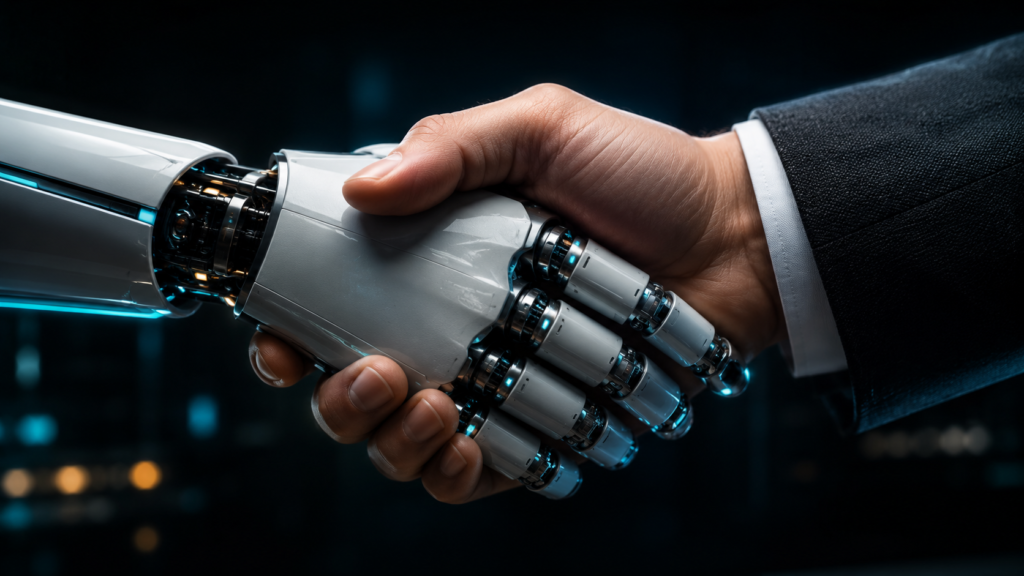
什么是物理人工智能?
物理人工智能将智能从远程服务器转移到机器上,使机器能够在现实世界中感知、决策和行动。
与能够容忍请求和响应之间延迟的云端人工智能不同,物理人工智能在事件发生地附近运行。当机器人调整运动、XR头显将数字内容与用户的动作同步、手术器械提供触觉反馈或可穿戴设备响应生理信号时,这些对时间要求极高的操作不能完全依赖远程处理。
在这些系统中,感知、决策和行动构成一个连续的循环。传感器数据必须到达正确的处理器。推理结果必须与其他设备协调。指令必须在可预测的时间窗口内到达。当这个循环延迟或中断时,其影响不再局限于数字层面,而是会改变物理系统的运行方式。
SPARK Microsystems 为需要在边缘进行实时智能、本地协调和确定性操作的物理人工智能系统构建确定性无线层。
Edge设备已准备就绪,但无线连接缺失。
物理人工智能正成为可能,因为核心技术已经成熟。边缘计算、先进传感和实时智能正在融合,下一个关键瓶颈也随之显现:无线链路。
边缘计算
人工智能模型优化和边缘处理硬件的进步使得直接在设备上运行智能成为可能。过去依赖集中式计算的决策现在可以在更靠近传感器、更靠近执行器、更靠近事件发生地的地方进行。
高级传感
传感技术正变得越来越紧凑、精确和易于部署。从摄像头、激光雷达和惯性测量单元到力传感器、麦克风和生物传感器,物理系统现在可以捕获关于其环境、用户以及自身运动的更丰富的实时信息。
实时智能
物理人工智能不仅仅依赖于局部决策,它还要求这些决策在可预测的时间窗口内转化为实际行动。随着电机、触觉反馈、机器人组件和控制系统的速度和精度不断提高,机器能够以智能系统所需的速度和精度响应现实世界的状况。
应用程序
现实世界系统中的物理人工智能
物理人工智能正在各个领域涌现,凡是智能必须与运动、感知和人机交互紧密结合的场景,它都体现了这一点。这些系统或许外观各异,但它们共享相同的架构模式:分布式感知、设备端智能、实时协调和物理响应。
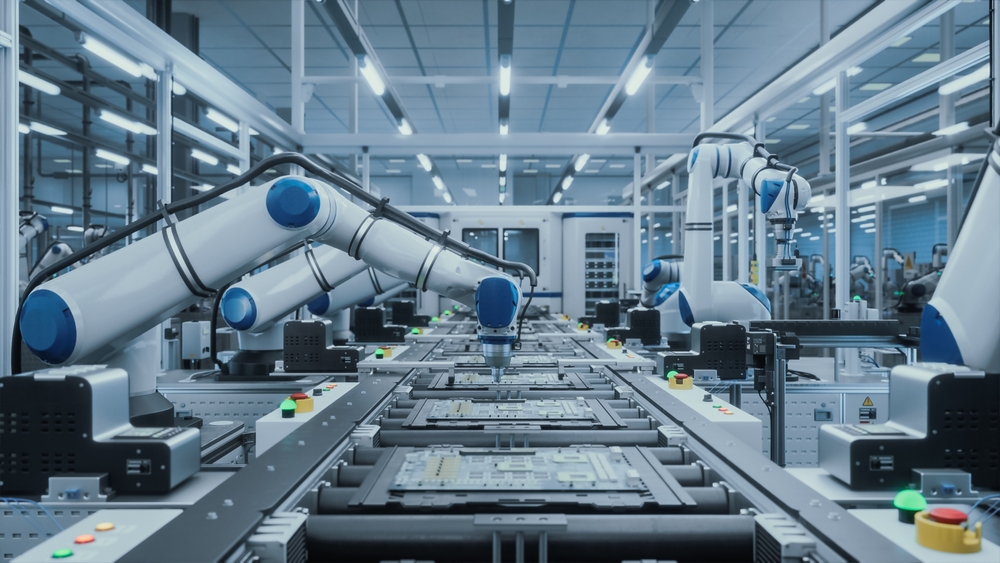
智能工业自动化
机器人系统、检测平台、预测性维护工具和过程控制设备能够感知工业环境,在边缘处理数据,并协调工厂车间、物流中心和自动化生产线的实时物理响应。
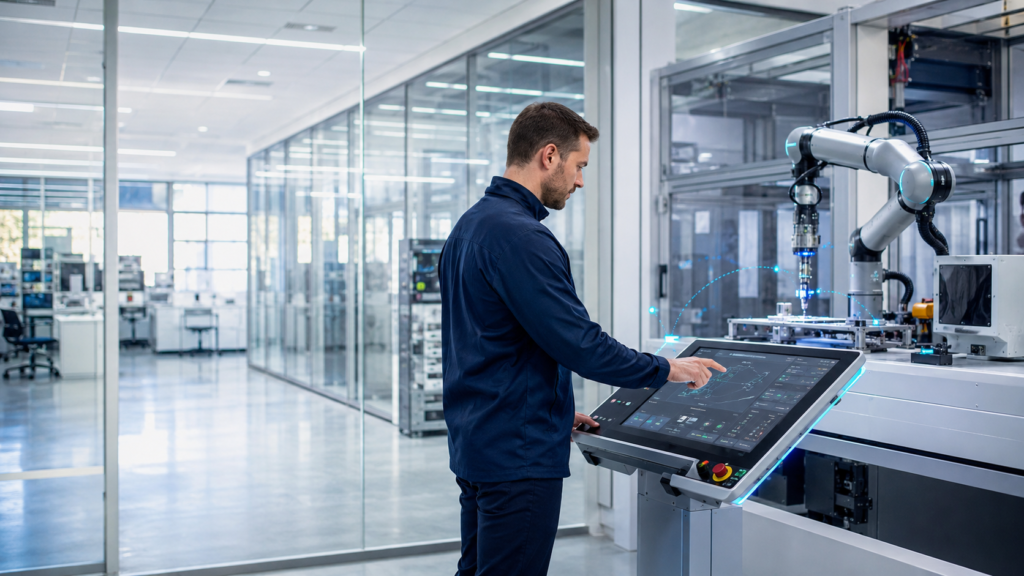
精密人机界面
手术机器人、辅助设备、假肢、触觉系统和联网工具利用实时传感和反馈来帮助人和机器协调精确的物理结果。

人工智能赋能的可穿戴设备
下一代可穿戴设备、可听设备、健康监测器和个人设备,其中设备端智能可实现实时反馈、适应和物理交互。

增强视觉
AI眼镜和视觉界面通过将用户所见、所闻、所做与智能的、位置感知的响应联系起来,提供情境智能、实时视觉辅助和免提数字交互。
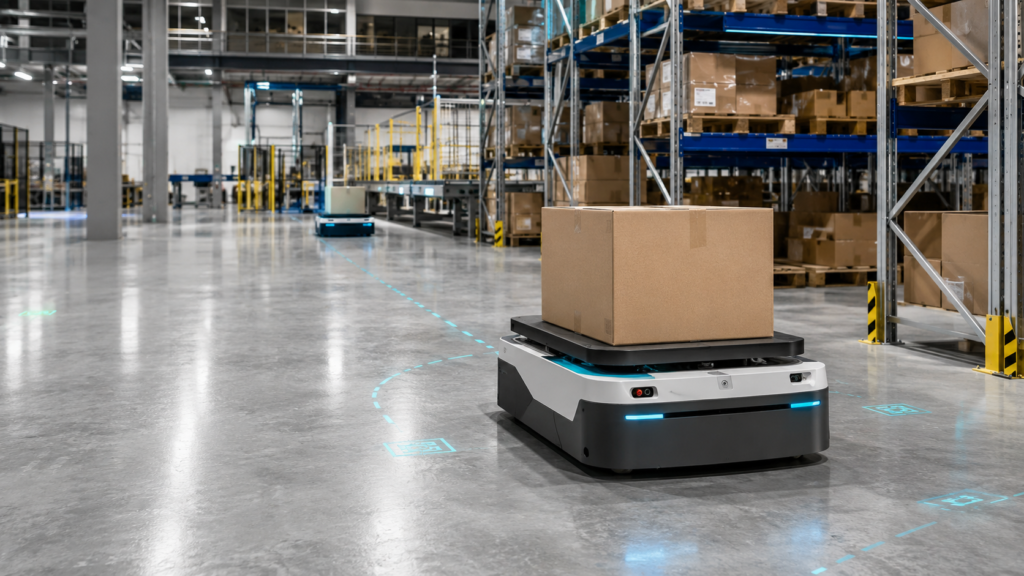
自主系统
移动机器人、巡检无人机、配送平台和仓库自动化系统能够感知周围环境、协调运动,并在无需持续人工控制的情况下执行操作。
智能工业自动化
机器人系统、检测平台、预测性维护工具和过程控制设备能够感知工业环境,在边缘处理数据,并协调工厂车间、物流中心和自动化生产线的实时物理响应。
精密人机界面
手术机器人、辅助设备、假肢、触觉系统和联网工具利用实时传感和反馈来帮助人和机器协调精确的物理结果。
人工智能赋能的可穿戴设备
下一代可穿戴设备、可听设备、健康监测器和个人设备,其中设备端智能可实现实时反馈、适应和物理交互。
增强视觉
AI眼镜和视觉界面通过将用户所见、所闻、所做与智能的、位置感知的响应联系起来,提供情境智能、实时视觉辅助和免提数字交互。
自主系统
移动机器人、巡检无人机、配送平台和仓库自动化系统能够感知周围环境、协调运动,并在无需持续人工控制的情况下执行操作。
物理人工智能的无线需求
在物理人工智能系统中,无线连接不再仅仅是一项功能,而是成为控制回路的一部分。为了实时感知、决策、协调和行动,这些系统依赖于四个关键的无线性能要求:
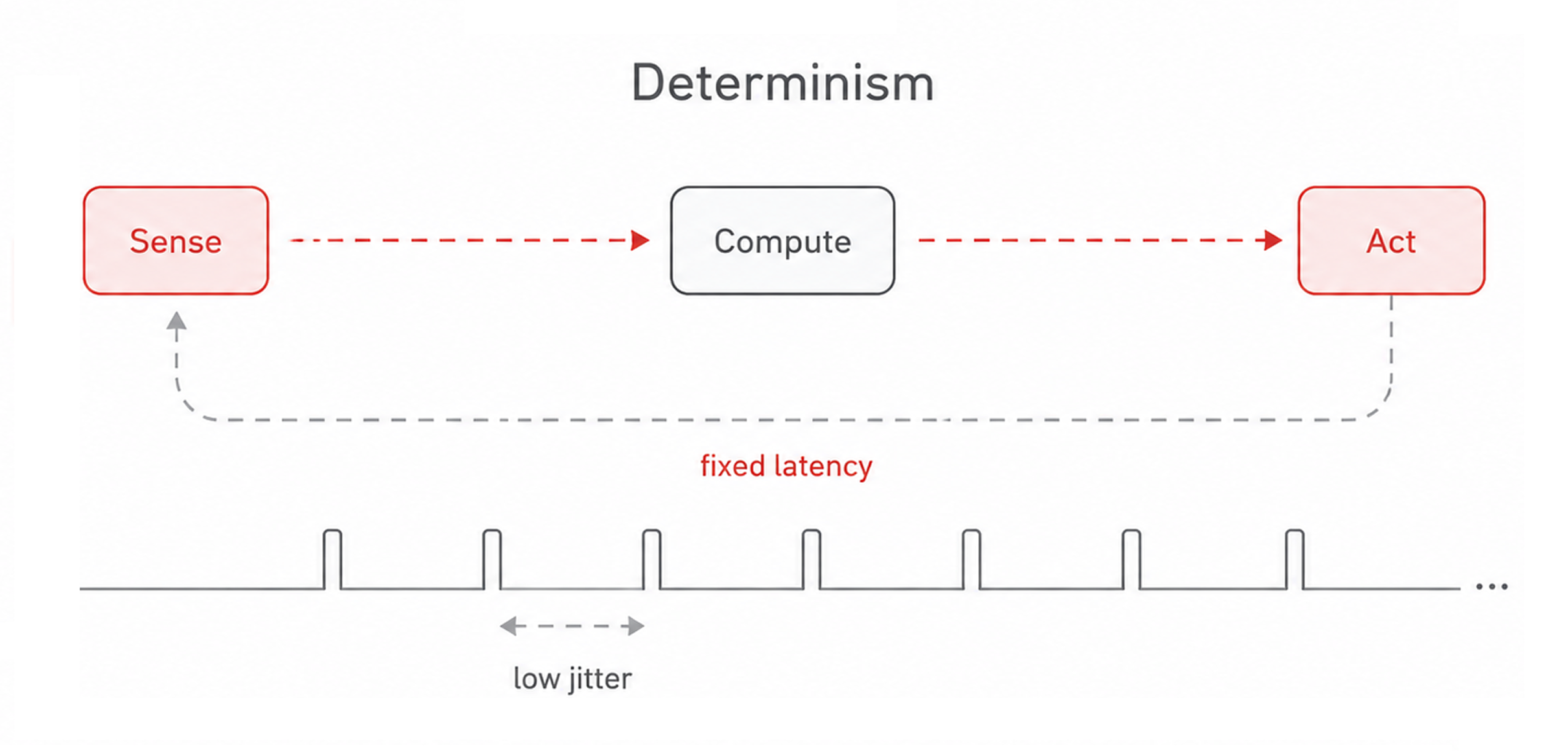
超低延迟和最小抖动可实现从感知到行动的可预测时间,保持分布式设备同步,并允许物理人工智能系统在定义的控制回路窗口内做出响应。
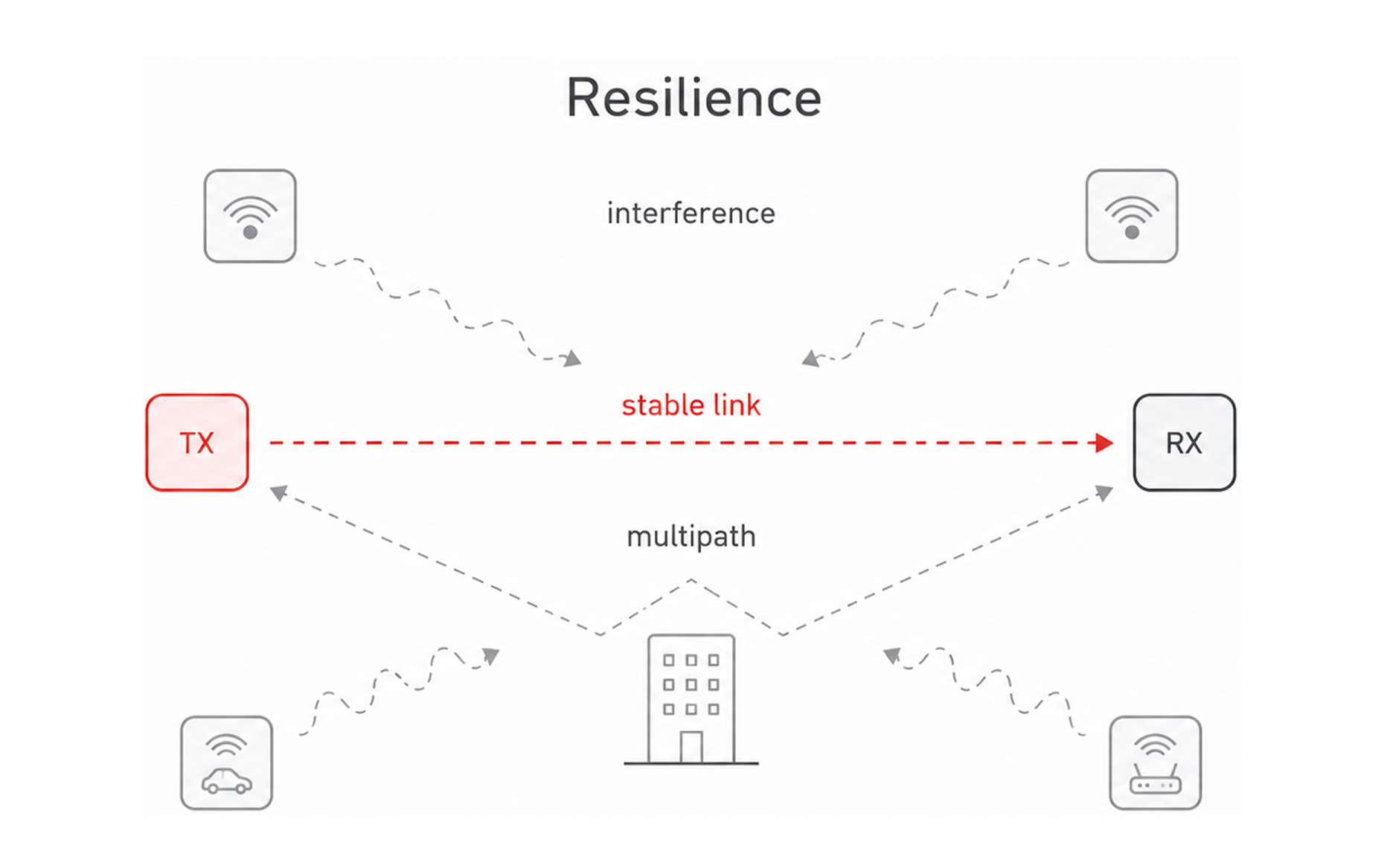
强大的无线性能可在复杂的射频环境中保持可靠的运行,帮助系统在干扰、拥塞、多径和多设备共存的情况下保持可预测性。
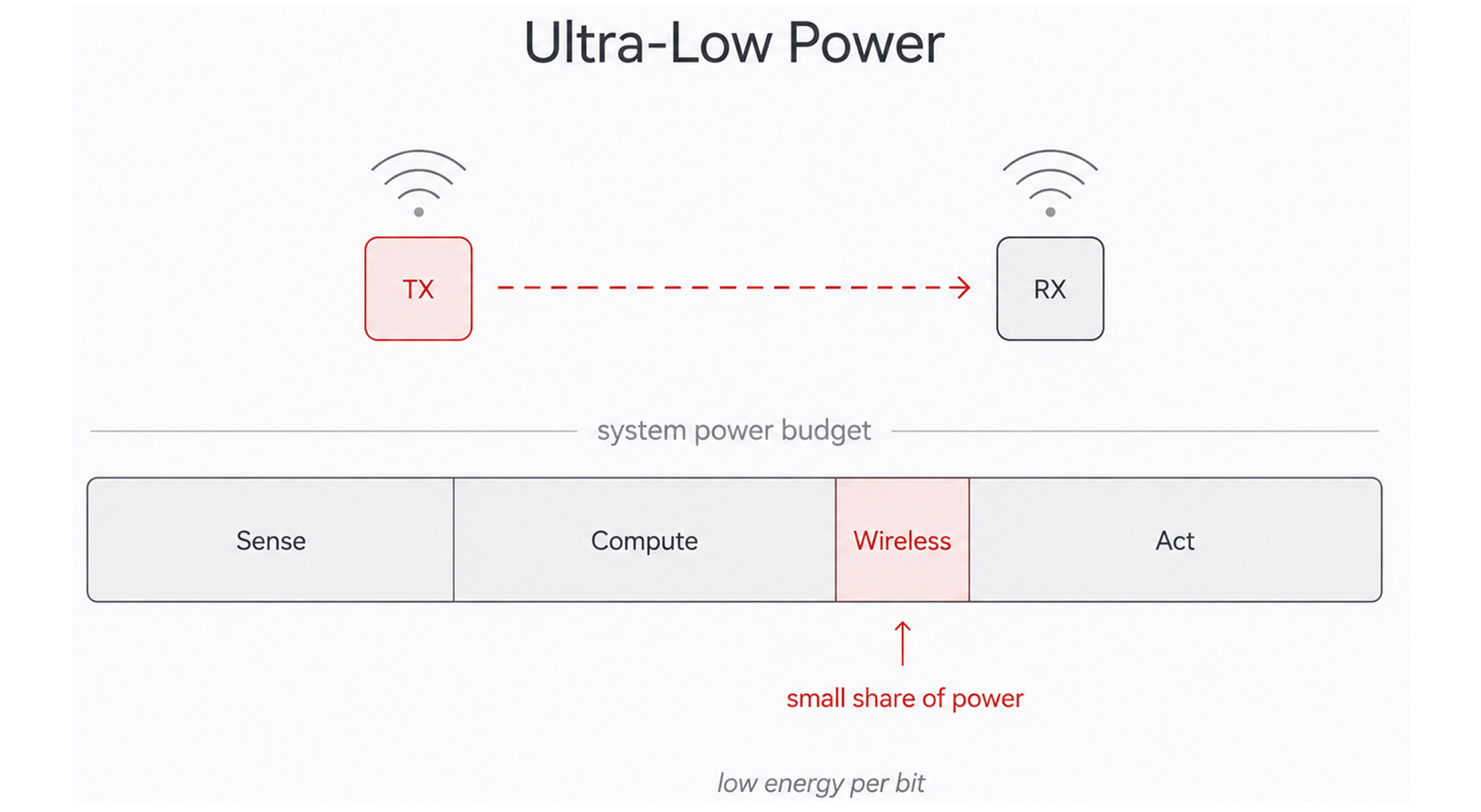
高效的无线操作可延长电池寿命,减少发热,并实现更小、更密集、更移动的物理人工智能部署,而不会影响实时性能。
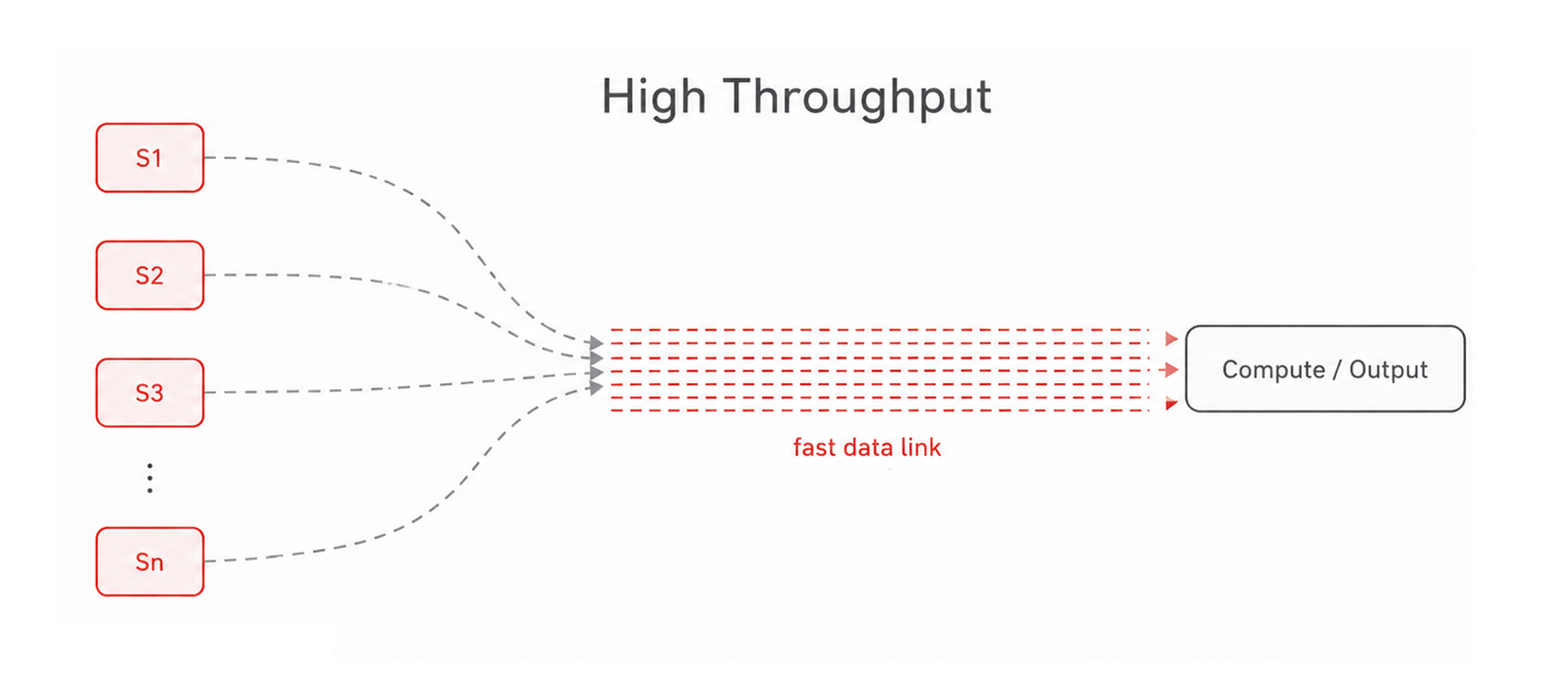
高速数据传输使丰富的传感器流、推理输出和协调信号能够实时传输,从而实现更快的感知、更流畅的反馈和更灵敏的物理动作。
每个周期都有硬性限制
确定性计时
物理人工智能系统依赖于闭环运行,其中传感器数据、推理输出、协调信号和执行指令必须在规定的时间窗口内到达。无线链路必须提供可预测的延迟和可重复的行为,从而使分布式设备能够保持同步并实时响应。
真实世界环境
抗干扰连接
物理人工智能运行于复杂的射频环境中,例如工厂、医院、物流中心、家庭以及密集的多设备系统。无线链路必须克服干扰、拥塞、多径和共存等挑战,保持可预测性,从而在实际部署条件下维持可靠运行。
大规模电池寿命
超低功耗
物理人工智能通常运行于移动设备、可穿戴设备、手持设备、嵌入式设备或高密度部署环境中,在这些环境中,尺寸、散热和电池续航时间都是系统级的限制因素。无线链路必须高效地传输数据,同时避免占用过多的功率,并保持边缘实时运行所需的时序性能。
全传感器管道
高数据吞吐量
物理人工智能需要的不仅仅是简单的状态消息传递。分布式感知、传感器融合、协调和反馈回路可能依赖于来自摄像头、惯性测量单元 (IMU)、麦克风、力传感器、生物传感器和控制系统的连续数据,这就需要足够的无线吞吐量来保证智能运行速度足以做出反应。
超低延迟和最小抖动可实现从感知到行动的可预测时间,保持分布式设备同步,并允许物理人工智能系统在定义的控制回路窗口内做出响应。
每个周期都有硬性限制
确定性计时
在闭环物理系统中,数据必须在规定的时间窗口内到达,而不仅仅是平均速度快。传感器输入、推理输出、协调信号和执行指令都有截止时间。可预测的时间控制能够确保分布式设备同步,并实现实时物理响应。
强大的无线性能可在复杂的射频环境中保持可靠的运行,帮助系统在干扰、拥塞、多径和多设备共存的情况下保持可预测性。
真实世界环境
抗干扰连接
物理人工智能运行于复杂的射频环境中:工厂、医院、物流中心、家庭、公共场所和密集的多设备系统。干扰、拥塞、多径效应和共存现象都不能使链路变得不可预测。可靠性不仅仅是保持连接——它指的是在实际部署条件下可预测的运行。
高效的无线操作可延长电池寿命,减少发热,并实现更小、更密集、更移动的物理人工智能部署,而不会影响实时性能。
大规模电池寿命
超低功耗
在闭环物理系统中,数据必须在规定的时间窗口内到达,而不仅仅是平均速度快。传感器输入、推理输出、协调信号和执行指令都有截止时间。可预测的时间控制能够确保分布式设备同步,并实现实时物理响应。
高速数据传输使丰富的传感器流、推理输出和协调信号能够实时传输,从而实现更快的感知、更流畅的反馈和更灵敏的物理动作。
全传感器管道
高数据吞吐量
物理人工智能不仅仅依赖于简单的状态消息。传感器融合可能涉及摄像头、惯性测量单元 (IMU)、麦克风、力传感器、生物传感器以及在分布式组件之间传输的控制数据。无线链路必须提供足够的吞吐量,以确保感知管道、协调层和反馈回路实时运行。