
我们最近在博客上投入了大量篇幅讨论前瞻性的AR/VR应用。这些应用对移动短距离无线性能的要求,促使科技行业迫切需要一种能够弥补蓝牙/BLE和Wi-Fi不足的新型连接方式。UWB正是为了满足这一需求而生,它能够提供未来智能眼镜和可穿戴设备所需的高数据吞吐量、超低延迟和超低功耗。
但是,为了构建面向未来的AR/VR互联设备,我们首先必须解决无线设备的连接需求。 今天。 而对于传统游戏和音频应用来说,这一点比以往任何时候都更加清晰: 我们正接近极限 传统短距离连接平台的功能终究有限。现在正是超宽带技术大放异彩的时候。
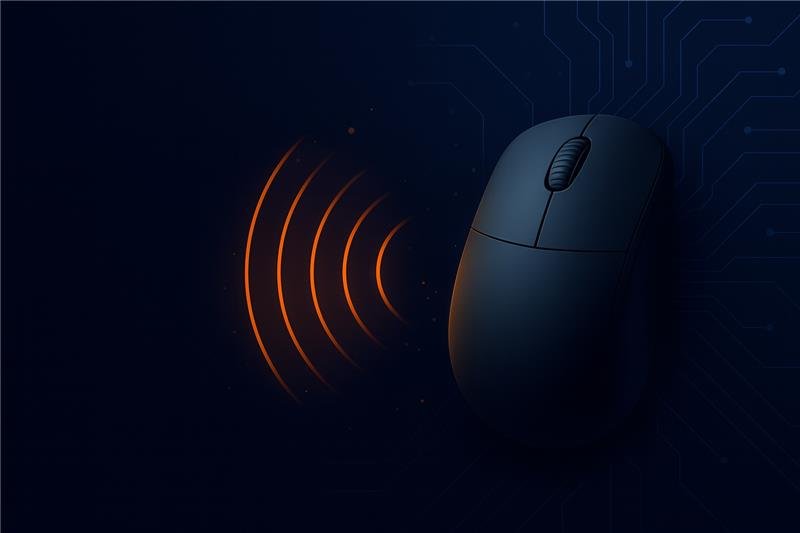
游戏鼠标就是一个绝佳的例子。
游戏设备厂商们正竞相突破性能极限,力求为玩家提供兼具超快速度、超轻量化、并拥有完美平衡的人体工学设计和强大性能的鼠标。有线鼠标凭借其低延迟优势,长期以来一直主导着高性能鼠标市场,但随着新一代无线游戏鼠标的出现,这一趋势正在发生改变。高端无线鼠标旨在提供媲美有线鼠标的性能和低延迟,同时摆脱线缆的束缚,确保流畅快速的游戏体验和操控,同时避免线缆的重量和缠绕。
如今的高端无线游戏鼠标通常都配备了专有的 2.4 GHz 无线连接技术,有时为了方便起见还会配备蓝牙功能。为什么选择 2.4 GHz 窄带频谱?因为在这些鼠标被构思和设计之时,这是唯一可行的选择。
专有的 2.4 GHz 连接方式也存在一些挑战(稍后会详细介绍),但它的延迟通常比蓝牙低得多,专业的无线游戏鼠标利用这一优势来实现更快的轮询率和更低的延迟。
为什么投票率和延迟很重要
投票率 指的是鼠标传感器每秒向计算机传输位置信息的速度,这对于精确追踪鼠标移动至关重要。采集的样本越多,就越能接近记录鼠标的实际移动轨迹。
一款轮询率为 1000 Hz 的鼠标,每秒输入 1000 次(每毫秒一次),这恰好是主流游戏鼠标的常见规格。一些富有创新精神的鼠标厂商正在改进 2.4 GHz 的芯片,以将轮询率推向新的高度——峰值可达 4,000 赫兹 – 提供更高的精度和速度,从而提升整体游戏性能。
但单靠更快的轮询率并不足以提升游戏性能。 延迟 响应速度至关重要。即使你能够以 4000Hz 的频率精确记录鼠标移动,但如果将信息传输到电脑的延迟过长,玩家就很难充分利用 4000Hz 的分辨率优势。玩家往往会习惯性地将鼠标移动到超出预期位置,直到屏幕上的动作跟上为止。延迟越大,这种过度移动的现象就越严重。
Faster mouse inputs and lower latency enable improved responsiveness, and serious gamers play close attention to these specs because they can enhance their competitive edge. 4,000 Hz polling is an impressive benchmark and SPARK applauds the innovation that made it possible! But unfortunately, 2.4 GHz comes with some inherent penalties.
其中,2.4 GHz窄带频谱是蓝牙/BLE、Wi-Fi和ZigBee等协议的专用频段,这构成了一个较为紧迫的问题。该频段非常拥挤,玩家周围的众多设备随时都可能占用该频段,争相使用频谱资源。这会导致干扰问题,而板载USB适配器也会产生额外的噪声——所有这些都会对延迟和整体游戏性能产生负面影响。
对于使用传统无线平台的游戏鼠标而言,2.4GHz频段的4000Hz轮询率很可能已经是性能的极限。而对于基于2.4GHz或蓝牙的游戏鼠标来说,要达到8000Hz轮询率——这是行业发展路线图上的下一个重要里程碑——目前看来几乎不可能。
新的性能标准
With SPARK UWB, 4,000 Hz polling rate is where things start.
We consider it the baseline for achieving premium gaming mouse performance going forward – with no special optimizations needed to contend with interference like you’d need at 2.4 GHz. And with SPARK UWB, 4,000 Hz polling isn’t qualified in terms of peak performance – 4,000 Hz is the sustained performance.
Moreover, SPARK UWB performance allows a clear roadmap to achieving 8,000 Hz performance – so the innovation doesn’t stop at 4,000 Hz.
SPARK Microsystems’ UWB technology delivers high data rate for high resolution 4,000 Hz polling 和 low latency data transfer that is as good as, or better than the polling rate. In the case of 4,000 Hz, with SPARK UWB samples are taken every 0.25 ms and the data is transferred over the wireless link to the PC within 0.25 ms or better (this includes button presses). 2.4 GHz can in some cases transfer the amount of data 4,000 Hz polling requires, but it may take more than 15毫秒 利用蓝牙等 2.4 GHz 技术将数据传输到 PC。
UWB’s wide frequency range ensures that it’s far less congested than 2.4 GHz narrow band spectrum, allowing for multiple channels and ample flexibility to spectrum hop as needed. And the underlying impulse radio technology means that UWB is less impacted by multipath phase distortion issues and can filter out unwanted interferers, making it more robust for greater concurrency. SPARK UWB can enable multiple gamers to play together at close range at 4,000 Hz polling rate, and provide automatic fallback modes for more players.
As an added benefit – and it’s a pretty significant benefit in its own right – SPARK UWB’s ultra-low power profile makes it possible to use smaller batteries within wireless gaming mice without sacrificing uptime between charges. This makes for a sleeker mouse design, and crucially, this also helps reduce the weight of the mouse for faster gameplay and even better performance.
* * * * * *
Traditional gaming and multimedia apps will one day be subsumed within the broader AR/VR technology ecosystem, and the SPARK team has our eyes on the future as we innovate the BAN/PAN connectivity needed to enable exceptional 移动增强/虚拟现实体验.
无线游戏鼠标体现了当今传统短距离无线连接的局限性,但对于未来追求完全沉浸式 AR/VR 体验的硬核玩家来说,基于 UWB 的新一代游戏鼠标的大门已经敞开。