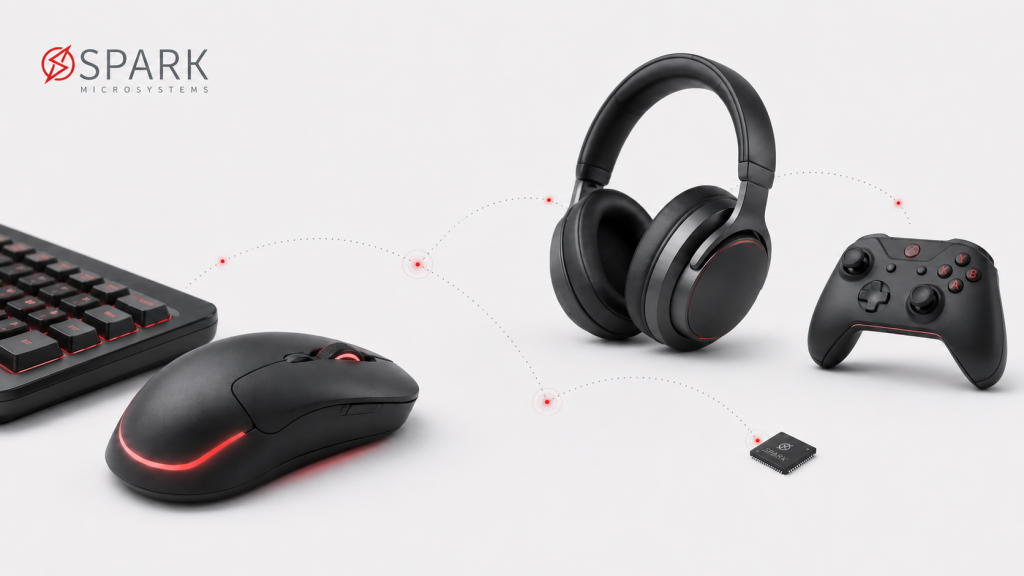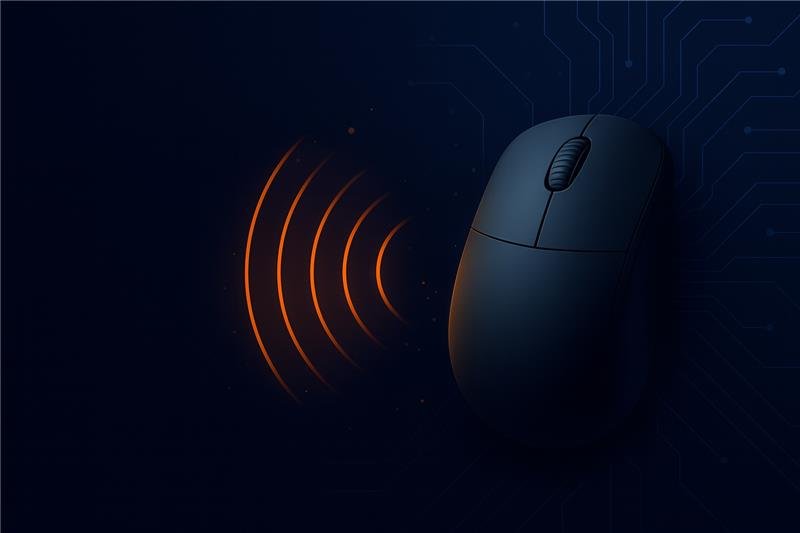

It would be an understatement to say that the team here at SPARK Microsystems gets excited about technology challenges. We are passionate about our innovations in UWB technology and the promise it holds to transform short-range wireless connectivity for gaming, audio, AR/VR/XR and IoT sensor applications, among others. UWB defies the longstanding performance and power efficiency challenges imposed 20+ years ago by legacy Bluetooth, and SPARK stands at the vanguard of this technology revolution.
但这只是我们故事的一部分。
SPARK Microsystems is also deeply committed to solving challenges in environmental sustainability. And this isn’t merely a matter of being a responsible corporate citizen – we genuinely want to make the world a better place, and 它深深根植于我们的DNA中。.
UWB的环境影响
SPARK UWB 的性能优势远超其他技术,对于实现下一代无线连接移动设备的优化至关重要。 extreme energy efficiency从实际角度来看,这将使消费者能够以更长的充电间隔使用他们喜爱的无线设备——游戏外设、音频耳机、AR眼镜等等——从而减少中断,获得更好的整体体验。
从宏观层面来看,这种节能效果意义重大——尤其是在物联网传感领域,小型电池供电设备将继续以指数级的速度在我们的工厂车间、可再生能源电网、智能基础设施以及更广阔的领域中普及。
The batteries in these devices are typically replaced at least once or twice in the sensors’ lifetimes – for short-lifetime devices, some batteries won’t be replaced at all. If not disposed of properly, these discarded batteries and devices pose a major environmental problem.
According to a recent 联合国报告, “the world produces as much as 50 million tonnes of electronic and electrical waste (e-waste) a year, weighing more than all of the commercial airliners ever made.”
This presents a major downstream waste issue – both figuratively and literally. An estimated 3 billion dry-cell batteries are purchased every year in the U.S. alone, but only 10% of these batteries are believed to be properly disposed of. This leaves potentially 300 million batteries that could end up in landfill or incinerated, leaching toxic heavy metals into the land, water and/or atmosphere.
无电池传感器
SPARK UWB 无线技术至少有望通过最大限度地提高主机传感器的电源效率,显著延长这些电池的使用寿命。总体而言,节能效果和电池使用/更换次数的减少最终将有助于减少垃圾填埋场的废物和二氧化碳排放。2emissions and other toxic environmental contamination.
但如果我们放眼更广阔的领域,就能做得更多。
正如短距离无线技术为无线传感器的部署铺平了道路一样,超宽带技术也为未来物联网传感器的部署带来了希望。 without batteries. Power-sipping technology like SPARK UWB sets the stage for a future of battery-less IoT sensor devices that leverage energy harvesting technologies to derive their own power.
这些传感器不需要传统意义上的内置电池。它们可以利用阳光、热能、振动、摩擦、风能等免费且丰富的能源供电。 the possibilities are endless.
Sustainable Development Technology Canada’s (SDTC) most recent investment in SPARK Microsystems affirms UWB’s potential to dramatically reduce energy consumption for connected devices like IoT sensors, enabling longer battery lifecycles and reduced waste for a more sustainable, environmentally friendly future.